Curious by nature.
Strategic by design.
I’m a marketing strategist with three years of experience. What I’m good at is getting to the real problem underneath a brief, finding the insight that matters, and deciding where marketing can make the most difference.
My background in sociology, research and communications is why I work that way. I ask questions before I write plans, I check assumptions against evidence, and I pay attention to what makes people notice something and act on it.
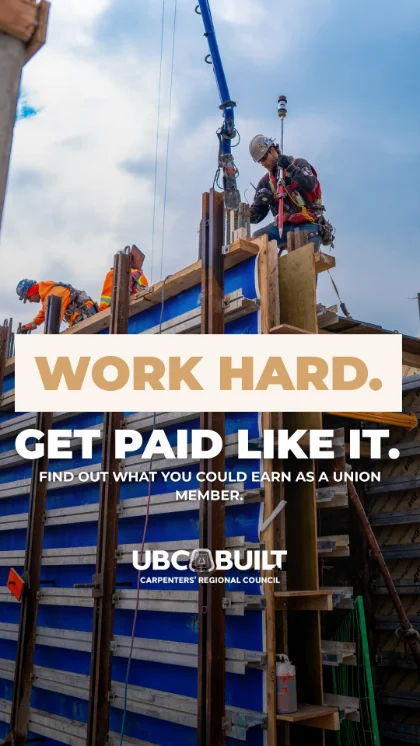
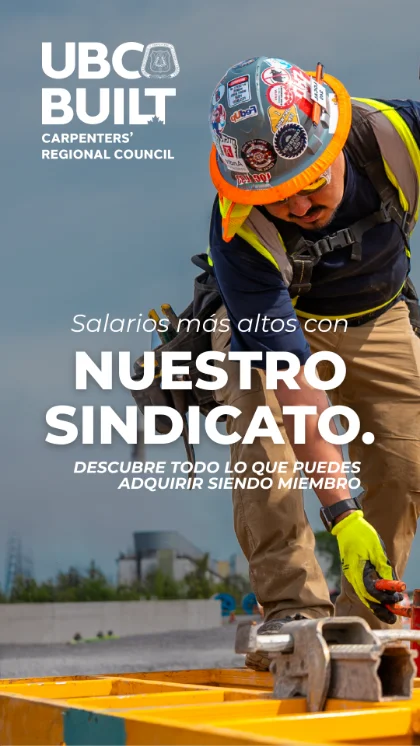
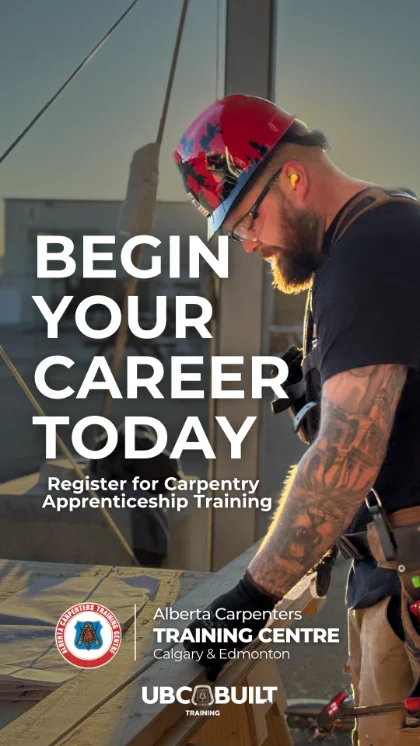
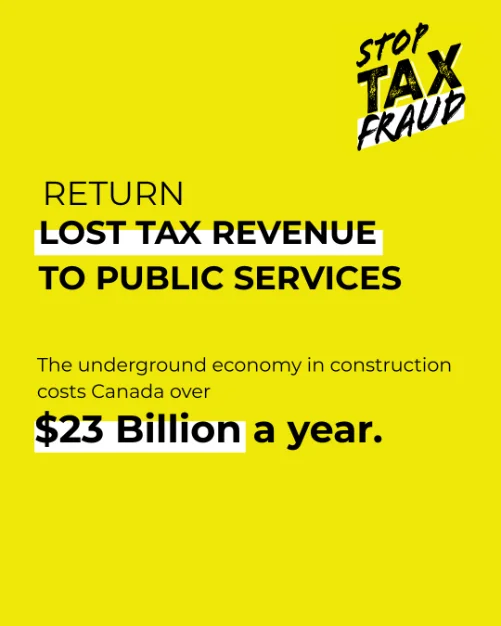
Most recently I led marketing for a national organization: strategy and campaigns across five provinces, nine social accounts on six platforms, a team of content creators, and the budgets, processes and systems behind all of it.
The work runs from insight to execution. Define the audience and the opportunity, decide where to focus and how to win there, then turn that into a plan a team can actually deliver. That’s taken me through audience research, paid media, brand and social strategy, marketing operations and team leadership.
Start with the problem. Find the insight. Make the call. Then make it happen.
How I see it
How I think about marketing decisions, and the order I make them in.
Most marketing problems turn out to be understanding problems. Who are we actually trying to reach? What do they need or believe? What is the business trying to achieve, and where is the gap between the two?
That gap is where the strategy comes from. Research surfaces the insight, but the harder part is knowing what to do with it: where to focus, what to leave alone, what to say and what has to happen for any of it to work.
Creative, media, budget and measurement all ladder back to those decisions. When they don’t, you are making marketing without being able to say why it should work.
What I work across
Examples of the work rather than the limits of it, grouped by the six lenses I tend to think through. The tools keep changing. The way I work through a problem has not.
Marketing and brand strategy, campaign planning, positioning, audience segmentation, objectives and measurement frameworks.
Paid media, social and content strategy, channel planning, optimization, analytics and conversion analysis.
Brand development and governance, messaging, internal and external communications, multi-channel consistency.
Audience and market research, qualitative interviewing, competitive analysis and performance insight.
Marketing operations, project management, process development, workflows, budgets and vendor management.
Team development and management, stakeholder relationships, cross-functional collaboration and board-level presentation.
How I got here
Sociology, research, then marketing. On paper, it looks like a detour. In practice, it all connects.
I studied sociology because I wanted to understand how people think, make decisions and experience the organizations around them.
Marketing gave me a way to turn that curiosity into action: understand people, find the insight and build something around it.
The work pulled me beyond campaigns and creative. I became interested in audiences, budgets, systems, stakeholders, performance and how good ideas actually get done.
Finding the real problem. Building the strategy around it. Staying close enough to the work to make sure it happens.
That’s the kind of marketer I’ve become.
How I think in practice
Every project started with a different problem. These are a few that show how I approach them.
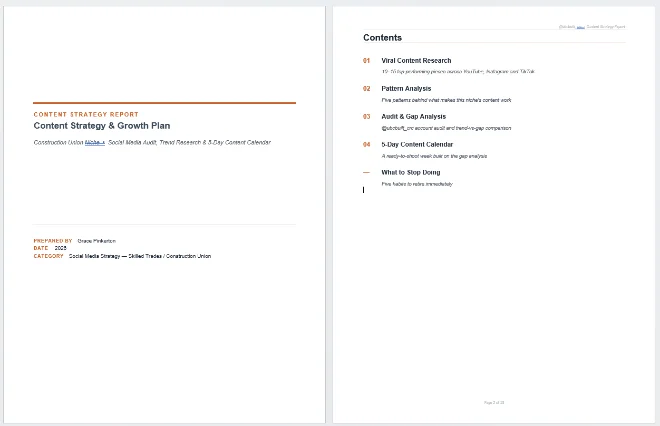
National marketing strategy for a government-funded initiative
A monitoring system built with Claude and Google News Alerts
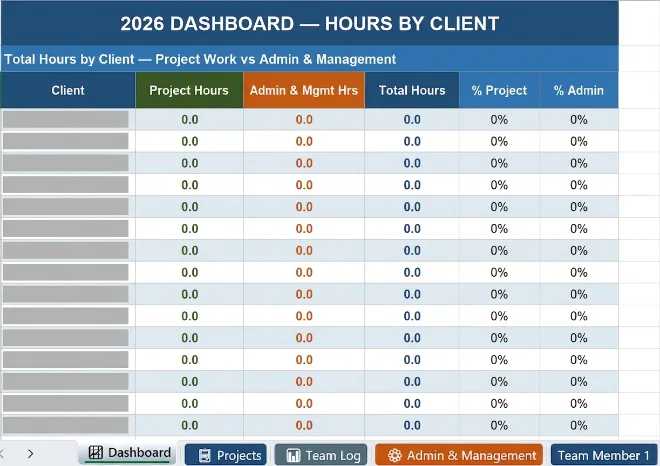
Making marketing services more visible across the organization
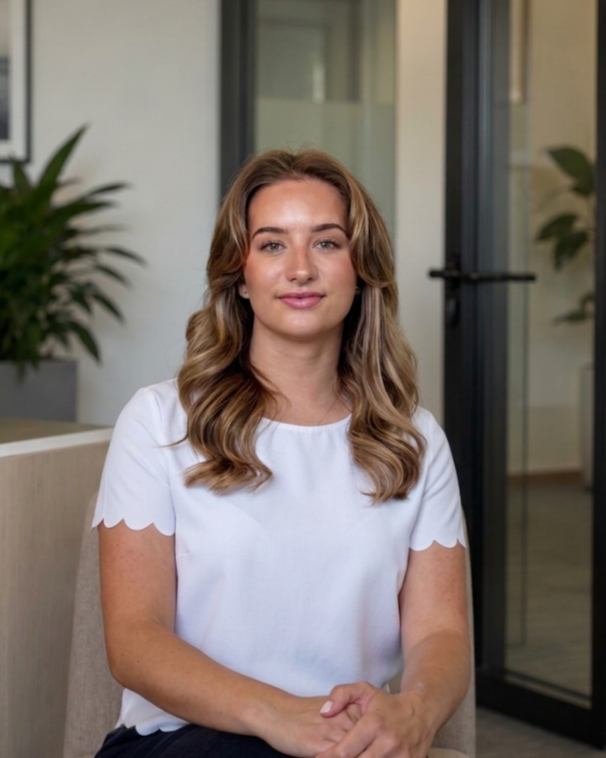
Hi, I’m Grace.
I’m a marketing strategist who is naturally curious about people, the way organizations work and what makes people pay attention, care and act.
My background in sociology and research shaped the way I approach marketing. I like asking questions, looking for patterns and understanding the problem before jumping to the solution.
Most of my work has involved looking at how something is working, finding the gaps, and building the structure to move it forward. A goal with no plan attached. A department with no clear priorities. A campaign performing well on paper and badly in practice. Across research, labour relations, teaching and now marketing, I have generally been the person handed the loosely defined problem: break it down, set an approach, and build the framework that lets a team execute against it. I tend to look at the immediate problem and the system around it at the same time.
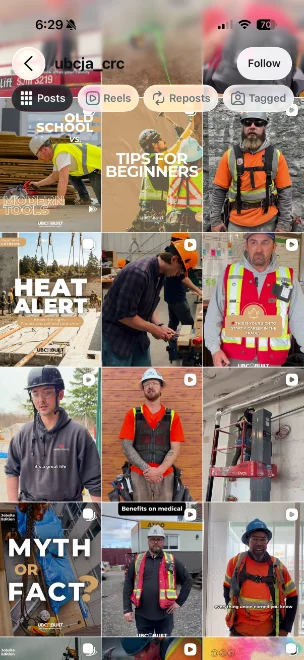
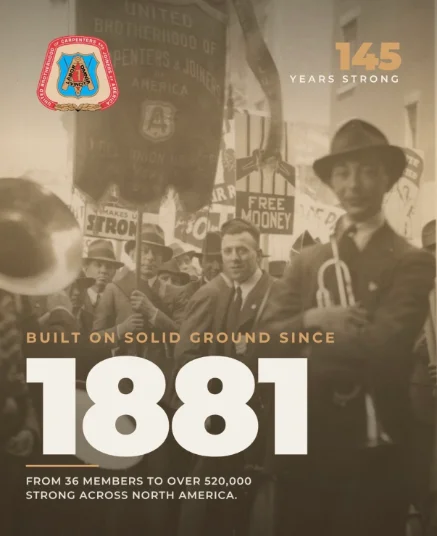
I spent years in labour relations and policy research before I ever ran a campaign, and I finished an M.A. in Sociology while working. The thesis came out of about twenty interviews with carpenters in Ontario about their working conditions and whether they considered the trade a good career. That work trained me to listen to what people say rather than what I expected to hear, and to back a conclusion with evidence. It is the same reason I research what an audience actually watches before writing a content plan, and why a strong click-through rate makes me ask whether anyone finished the application.
I manage by clearing obstacles. Making workloads visible, protecting people’s time, giving direct feedback, and building systems so nobody has to ask permission twice. I am comfortable presenting a recommendation to a board and equally comfortable in the spreadsheet underneath it.
Experience
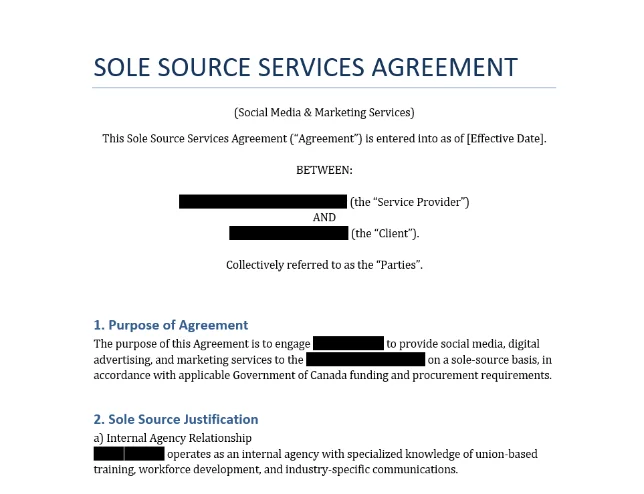
The department ran like an in-house agency, serving the national council, regional councils, local unions, training centres, procurement, organizing, government relations and a list of government-funded programs. I balanced daily delivery against the strategy and structure a growing department needed.
The role paired marketing and social media leadership with cross-functional communications work alongside the Communications Department: internal and external messaging, stakeholder communications, advocacy and public awareness, and organizational campaigns.
Administrative support for residential real estate transactions, keeping documentation and records accurate under deadline.
Ran tutorials and supported coursework for undergraduate sociology classes of 100 to 200 students while completing graduate research.
Labour relations and legal research supporting arbitration and government advocacy, including union submissions on Ontario Bills 148 and 66. I also conducted confidential interviews with at-risk construction workers, documenting trades experience for a government pathway program.
Labour relations and policy research across three summer terms, including case law research and Ontario Labour Relations Board work.
“A Good or Bad Career? Carpenters’ Work in Ontario”
Read my ThesisLet’s make something meaningful.
If you’re looking for someone who can think strategically, understand the audience and still get into the details to make the work happen, I’d love to hear from you.
Let’s talk ↓
Your message is on its way. I will reply to the address you provided.